
In today’s fast-evolving automotive aftermarket, demand for reliable, high-performance Ford replacement parts has never been stronger. With millions of Ford vehicles on the road—from rugged F-Series trucks to sleek Mustangs—B2B buyers and discerning car enthusiasts alike are prioritizing authenticity, durability, and OEM-level precision when restoring, upgrading, or maintaining their rides. Whether you’re restocking inventory for a parts distribution network or seeking trusted components for a weekend build, the right Ford replacement parts can make all the difference in performance, safety, and long-term value. As market demand surges for genuine-fit, high-quality alternatives—driven by rising vehicle ownership and extended ownership cycles—knowing which parts stand head and shoulders above the rest is more critical than ever. That’s why we’ve compiled the definitive Top 10 list of essential Ford replacement parts—combining OEM reliability with aftermarket innovation—to help professionals and enthusiasts make smarter, more confident purchasing decisions.
Top 5 Manufacturers & Suppliers of Ford Replacement Parts (2026 Review)
Ranked by inventory, reputation, and service quality.
Buyer’s Guide: How to Choose Ford Replacement Parts
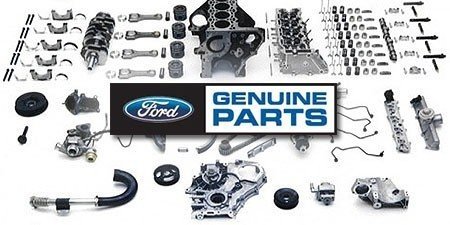
Buyer’s Guide: 3 Things to Check Before Buying Ford Replacement Parts
Whether you’re a B2B fleet manager sourcing reliable components or a passionate Ford car enthusiast restoring a classic, selecting the right Ford replacement parts is essential for performance, safety, and longevity. With a wide range of options — from OEM (Original Equipment Manufacturer) to high-quality aftermarket parts — making an informed decision is key. Here are three critical factors to consider before purchasing Ford replacement parts.
1. Verify Part Compatibility with Your Ford Model and Year
Not all Ford replacement parts are universally compatible, even within the same vehicle line. Ford has released numerous models — from the F-Series trucks to Mustangs and Explorers — each with model-specific variations across different years. Always confirm that the part matches your vehicle’s make, model, engine type, trim level, and production year.
Look for parts labeled with OEM part numbers or cross-reference with your VIN (Vehicle Identification Number) when possible. Reputable suppliers often provide fitment guides to ensure the component you’re buying is designed for your exact Ford vehicle. Installing an incompatible part can lead to poor performance, safety hazards, or costly rework.
2. Choose Between OEM and Aftermarket: Know the Differences
Understanding the distinction between OEM and aftermarket parts will help you decide what’s best for your needs and budget.
- OEM Ford Replacement Parts are manufactured by the same suppliers as your original components and carry Ford branding. They offer guaranteed fit and performance but often come at a higher price.
- Aftermarket Parts are made by third-party manufacturers. High-quality aftermarket options can meet or even exceed OEM standards, offering cost-effective alternatives without sacrificing reliability.
For B2B buyers managing fleets, OEM parts may provide consistency and warranty coverage. Enthusiasts might opt for performance-enhanced aftermarket parts for custom builds. Always check certifications (e.g., ISO, CAPA) and read reviews to evaluate aftermarket quality.
3. Check Warranties, Certifications, and Supplier Reputation
A reliable Ford replacement part should come with a warranty and be backed by a trustworthy supplier. Look for warranties that cover defects in materials or workmanship — longer warranties often indicate greater confidence in product quality.
Verify that the parts meet industry standards such as SAE (Society of Automotive Engineers) or are certified by organizations like CAPA (Certified Automotive Parts Association). For B2B operations, consistent access to certified parts ensures compliance and reduces downtime.
Also, research the supplier’s reputation. Do they specialize in Ford parts? Do they offer technical support and fast shipping? Buying from a reputable dealer — whether online or brick-and-mortar — minimizes the risk of counterfeit or substandard components.
By focusing on compatibility, part type, and supplier quality, you can make confident, cost-effective decisions when purchasing Ford replacement parts — keeping your vehicles performing at their best.
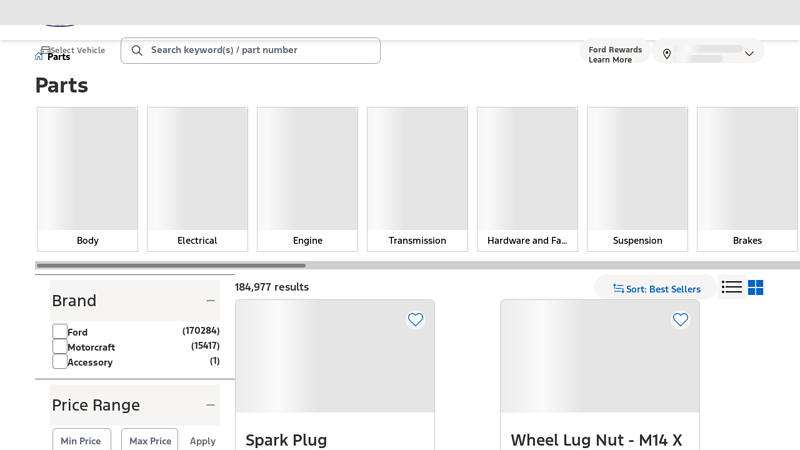
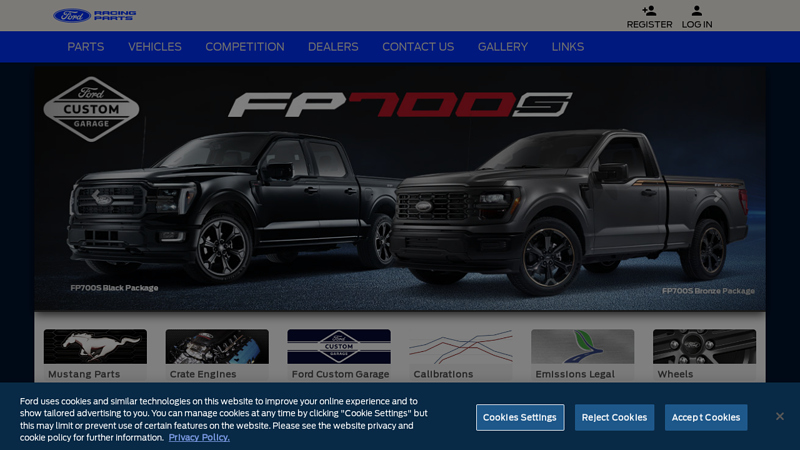
These five options—identifying Ford’s main suppliers, exploring brands of Ford parts, choosing genuine Ford® Parts, selecting Ford Performance Parts, and trusting Motorcraft Parts—are excellent choices for Ford replacement parts because they offer a combination of authenticity, quality, and reliability. Together, they ensure compatibility, durability, and optimal vehicle performance, whether for routine maintenance or enhanced driving experience.