
In today’s automotive aftermarket, demand for precision, reliability, and authenticity has never been higher—especially when it comes to repairing or restoring vehicles to factory specifications. With insurance claims on the rise, fleet maintenance needs expanding, and discerning car enthusiasts pushing for OEM-level quality, buyers are increasingly turning to Certified Auto Body Parts to ensure durability, safety, and aesthetic perfection. These rigorously tested and manufacturer-backed components offer the ideal balance of cost-efficiency and uncompromised quality, making them a top choice for collision repair shops, auto body professionals, and performance-oriented restorers.
As the market shifts toward trusted, traceable parts that meet strict industry standards, choosing the right components isn’t just a matter of performance—it’s a business imperative. In this definitive list, we’ve curated the Top 10 Certified Auto Body Parts that lead the industry in fit, finish, and long-term value. Whether you’re outfitting a high-volume repair center or restoring a classic with OEM integrity, these are the parts professionals trust—and demand continues to favor.
Top 6 Manufacturers & Suppliers of Certified Auto Body Parts (2026 Review)
Ranked by inventory, reputation, and service quality.
Buyer’s Guide: How to Choose Certified Auto Body Parts
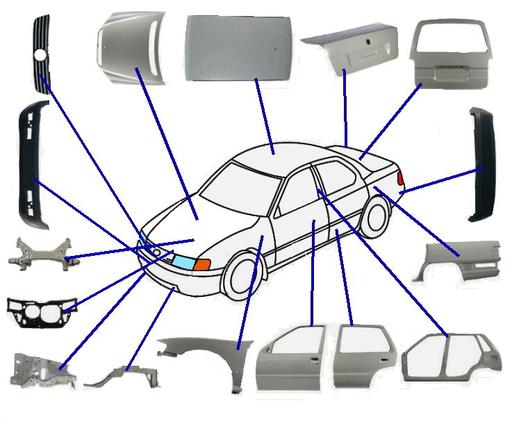
Buyer’s Guide: 3 Things to Check Before Buying Certified Auto Body Parts
When it comes to restoring or upgrading your vehicle, choosing the right body parts is essential—especially if you’re a B2B buyer sourcing for a repair shop or a car enthusiast pursuing precision and performance. Certified Auto Body Parts offer peace of mind with verified quality, reliability, and OEM-level standards. But not all certified parts are created equal. To ensure you’re getting the best value and fit, here are three key factors to check before making your purchase.
1. Certification Standards and Manufacturer Credentials
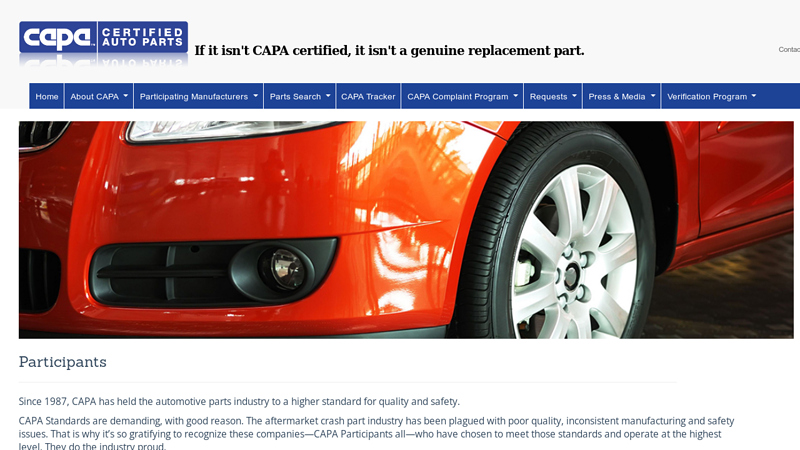
Not every “certified” label carries the same weight. Before buying, verify the certification body and the standards the parts meet. Reputable parts should be certified by recognized industry organizations such as CAPA (Certified Automotive Parts Association), I-CAR, or adhere to OEM-equivalent testing protocols. These certifications ensure that the parts meet strict criteria for fit, finish, durability, and material quality. Additionally, research the manufacturer—established brands with a history of compliance and positive reviews are more likely to deliver reliable performance. For B2B buyers, this due diligence helps maintain shop reputation and customer satisfaction.
2. Compatibility and Vehicle-Specific Fitment
Even certified parts must match your vehicle’s exact make, model, year, and trim. A part may be high quality, but if it doesn’t fit correctly, it can lead to installation delays, safety issues, or costly reorders—especially problematic for repair shops managing tight timelines. Always double-check part numbers and consult fitment guides provided by the supplier. Look for detailed product descriptions that include OEM cross-references and compatibility tools. Many certified suppliers now offer online lookup systems that match parts to VINs, simplifying the selection process for both bulk buyers and individual enthusiasts.
3. Warranty, Return Policy, and After-Sales Support
High-quality Certified Auto Body Parts typically come with a solid warranty—ranging from 1 to 5 years—covering defects in materials and workmanship. Before purchasing, review the warranty terms carefully. Equally important is the return policy: Can you return a part if it arrives damaged or doesn’t fit as expected? For businesses, reliable after-sales support—from technical assistance to streamlined claims processing—can save time and reduce operational friction. Enthusiasts also benefit from responsive customer service when custom builds require precise components.
By focusing on certification authenticity, precise fitment, and dependable support, B2B buyers and car enthusiasts alike can confidently invest in Certified Auto Body Parts that deliver lasting performance and peace of mind.
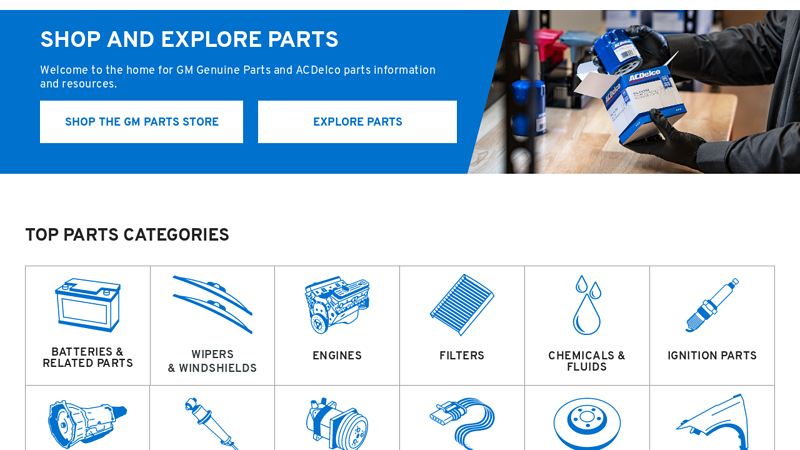
These six options are strong choices for certified auto body parts due to their established reputations, adherence to industry quality standards, and specialized expertise in manufacturing or supplying durable, reliable components. From OEM and aftermarket leaders like ACDelco to specialized fiberglass and racing part manufacturers, each provider offers certified parts that meet rigorous safety and performance criteria. Collision repair companies and aftermarket manufacturers further enhance market trust by focusing on innovation, compatibility, and compliance with certification programs, ensuring high-quality repairs and customer satisfaction in the automotive industry.