
Intro:
In today’s high-cost automotive landscape, smart car owners are turning to salvage car parts to keep their vehicles running smoothly—without breaking the bank. With repair costs soaring and dealership replacements often priced like luxury items, the demand for affordable, reliable alternatives has never been higher. That’s where the booming market for used auto parts comes in. From engines to sensors, fenders to transmissions, salvage car parts offer a budget-friendly solution that doesn’t mean sacrificing performance—if you know what to look for.
But not all used parts are created equal. To truly save money, you need to focus on three key factors: warranty protection, actual part condition, and shipping reliability. A low price tag means little if the part fails weeks later or gets lost in transit. As demand for quality salvage parts grows—fueled by DIY mechanics and independent repair shops—so does the importance of making informed choices.
Whether you’re repairing a minor dent or rebuilding a transmission, our Top 10 Tips for Buying Salvage Car Parts will help you cut costs without cutting corners. Discover how to spot trustworthy sellers, avoid common pitfalls, and get the most value from every purchase—all while keeping your ride in top shape.
Top 5 Used & Salvage Sources for Salvage Car Parts (2026 Review)
Ranked by inventory, reputation, and service quality.
Buyer’s Guide: How to Choose Salvage Car Parts

Buyer’s Guide: 3 Things to Check Before Buying Salvage Car Parts
For car owners looking to save money on repairs, Salvage Car Parts can be a smart and cost-effective solution. Sourced from vehicles deemed total losses by insurers, these used parts are often in good working condition — but not always. To get the most value and avoid costly mistakes, there are three key factors to verify before making your purchase. Here’s what smart buyers need to check.
1. Warranty Coverage on the Part
When buying Salvage Car Parts, a solid warranty can save you significantly in the long run. Unlike many new parts, used components may not come with a standard manufacturer’s warranty. However, reputable salvage yards and online marketplaces often offer limited warranties — typically ranging from 30 to 90 days.
Always ask:
– Does the part come with a warranty?
– What does the warranty cover? (e.g., mechanical failure, defective parts)
– Is there a return process if the part doesn’t work?
Tip: Avoid sellers offering “as-is” parts unless the price is drastically low and you’re certain of compatibility and condition. A warranty adds peace of mind and financial protection.
2. True Condition of the Salvage Car Part
Just because a part is “used” doesn’t mean it’s damaged — but it pays to inspect carefully. Many Salvage Car Parts are pulled from newer vehicles involved in minor accidents, so they may appear nearly new. However, parts can also sustain hidden damage from impacts, fire, flood, or long-term neglect.
When evaluating condition:
– Request clear, high-resolution photos from multiple angles.
– Ask for the reason the vehicle was salvaged (e.g., front-end collision, flood damage).
– Look for rust, cracks, fluid leaks, or electrical corrosion — especially in parts like engines, transmissions, or ECUs.
Pro tip: Opt for parts from salvage yards that grade components (e.g., “excellent,” “good”) based on a standardized system. Avoid parts from vehicles with airbag deployments or frame damage unless your needed component is far from the impact zone.
3. Shipping Method and Associated Costs
Shipping is a critical — and often overlooked — factor when purchasing Salvage Car Parts online. Large components like engines, doors, or bumpers can incur steep freight charges, particularly if they’re heavy or require special handling.
Before ordering:
– Confirm whether the listed price includes shipping.
– Ask about carrier options and estimated delivery times.
– Check return shipping policies — who pays if the part is defective or doesn’t fit?
Bonus advice: If you’re nearby, consider arranging pickup to avoid shipping fees altogether. Some salvage yards offer local discounts or self-service pull options, which can save you both money and wait time.
Bottom Line: Buying Salvage Car Parts is a great way to reduce repair costs — but only if you shop wisely. Prioritize parts with warranty protection, verify their true condition, and factor in shipping costs before you buy. With these three checks in mind, you can drive savings without sacrificing reliability.
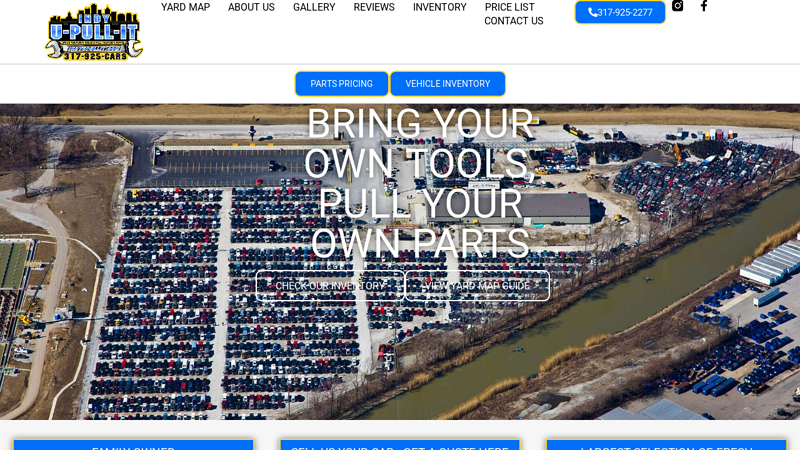
These five options—Car, Used Auto Parts, Pick Your Part: Quality Discount Used Auto Parts, Pull, and Indy U—are excellent choices for salvage car parts because they offer a combination of affordability, quality, and variety. They provide access to reliable used components from trusted salvage yards, often with warranties or quality guarantees. Their extensive inventories and customer-focused services make finding the right part fast and cost-effective, making them ideal for budget-conscious drivers and mechanics seeking durable, recycled auto parts.