
Intro:
In today’s high-cost automotive landscape, savvy car owners are turning to second hand car parts to keep their vehicles running smoothly—without breaking the bank. With repair costs soaring and new OEM parts often priced out of reach, the demand for quality used components has skyrocketed. From engines and transmissions to door panels and headlights, the market for pre-owned auto parts is booming, driven by both economic necessity and environmental awareness.
But buying used isn’t just about saving money—it’s about making smart choices. The right part can deliver big savings, but only if you understand what to look for: trustworthy warranty coverage, honest part condition reporting, and reliable shipping practices that protect your investment from garage to driveway.
In this guide, we’ve rounded up the Top 10 tips every car owner should know before purchasing second hand car parts—helping you cut costs with confidence, avoid costly mistakes, and keep your ride on the road for thousands more miles.
Top 5 Used & Salvage Sources for Second Hand Car Parts (2026 Review)
Ranked by inventory, reputation, and service quality.

Buyer’s Guide: How to Choose Second Hand Car Parts
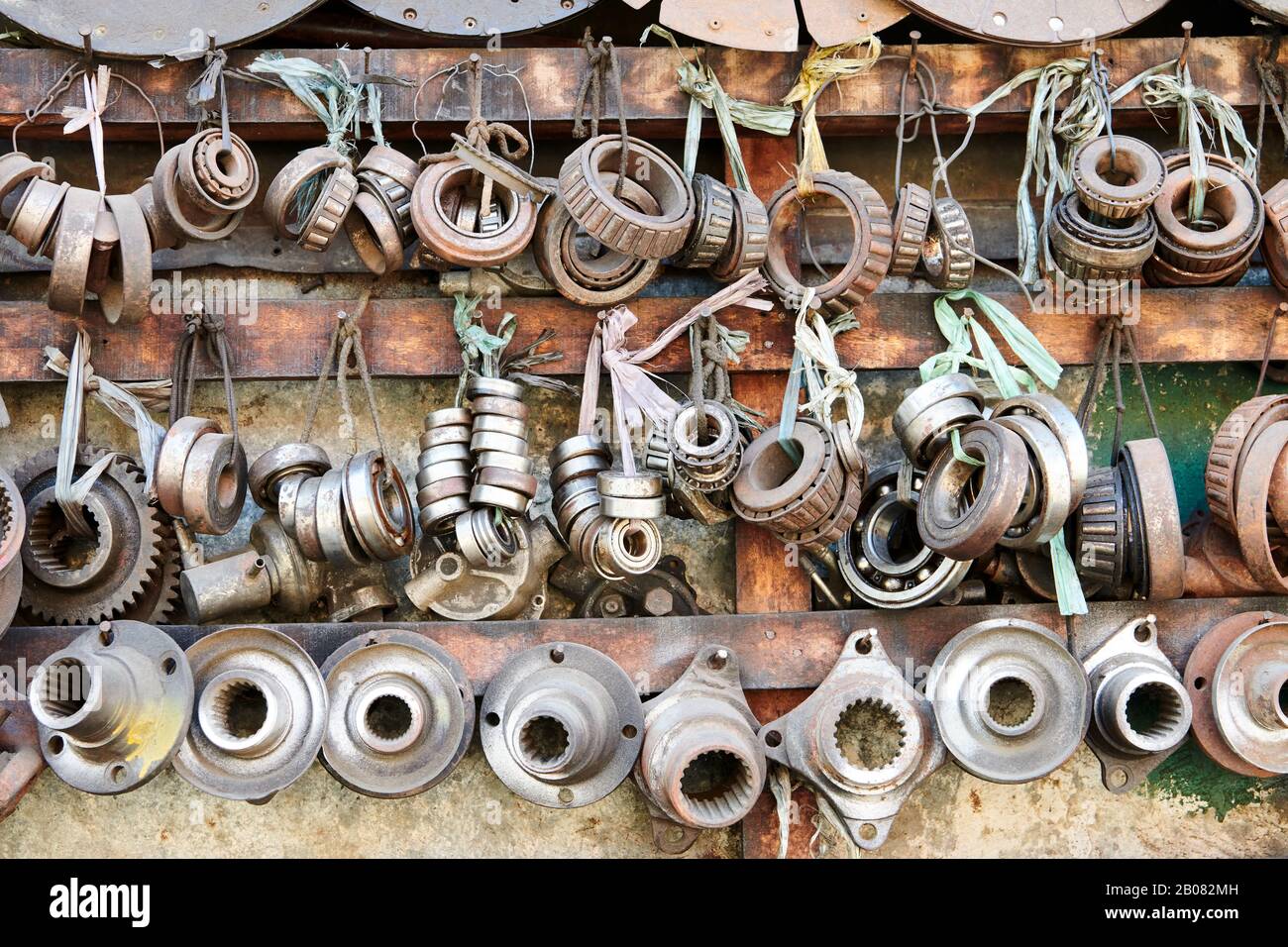
Buyer’s Guide: 3 Things to Check Before Buying Second Hand Car Parts
Shopping for second hand car parts can be a smart way for car owners to save money—often cutting repair costs by 50% or more. But to avoid ending up with a faulty part that leads to more expenses, it’s crucial to know what to look for. Before clicking “buy,” always check these three key factors: warranty, part condition, and shipping. Here’s what you need to know.
1. Check for a Warranty or Return Policy
One of the biggest risks of buying second hand car parts is reliability. Unlike new components, used parts have already logged wear and tear. That’s why a warranty or solid return policy is essential.
Look for sellers who offer at least a 30- to 90-day warranty on used parts. This protects you if the part fails shortly after installation. Reputable auto recyclers and online marketplaces often provide warranties—especially for critical components like engines, transmissions, and ECUs.
If a seller offers no warranty or return option, think twice. A good return policy (typically 14–30 days) allows you to return the part if it doesn’t fit or isn’t as described. Always read the fine print and confirm whether core charges or restocking fees apply.
2. Inspect the Part Condition Thoroughly
Condition is everything when buying second hand car parts. A bargain isn’t a bargain if the part breaks in a week.
Always ask for detailed photos from multiple angles and, if possible, a video of the part in working condition. Look for signs of damage like cracks, rust, leaks, or excessive wear. For mechanical parts such as alternators or starters, confirm the mileage and whether the part was removed from a vehicle with known mechanical issues.
Reputable sellers will provide a clear description, including the car’s make, model, year, VIN, and part condition (e.g., “good working order,” “minor cosmetic damage”). Avoid vague listings that say only “used” or “as is” with no details.
3. Compare Shipping Costs and Delivery Time
Shipping can make or break the value of a second hand car part. A $50 part with a $40 shipping fee isn’t much of a deal. Always factor in total cost—including shipping—before comparing prices.
Check whether the seller offers flat-rate shipping or calculates costs based on weight and distance. Some auto recyclers offer free or discounted shipping on heavy items like engines or bumpers. Also, consider delivery time—especially if your car is off the road.
Additionally, confirm whether the shipping includes insurance and handling. If the part arrives damaged, you’ll want coverage to avoid being stuck with the cost. Choose carriers that provide tracking, so you know exactly when to expect your second hand car part.
Final Tip: Always buy from trusted suppliers or platforms with positive reviews and clear return policies. With careful checks on warranty, condition, and shipping, second hand car parts can be a wallet-friendly and reliable way to keep your vehicle running smoothly.
These five options—Car, Used Auto Parts, Pick Your Part: Quality Discount Used Auto Parts, Pull, and Auto Parts by CarParts.com—are excellent choices for second-hand car parts because they offer a combination of affordability, quality, and convenience. They provide access to a wide range of used components from various vehicle makes and models, often at significant savings compared to new parts. With options like self-service salvage yards and online marketplaces, customers can find reliable parts efficiently, supported by quality checks and customer service, making them smart and sustainable solutions for vehicle repairs.