
In today’s performance-driven automotive market, discerning B2B buyers and passionate car enthusiasts are no longer settling for just any replacement or upgrade part—they demand quality, authenticity, and value without compromise. As supply chain constraints and rising manufacturing costs continue to impact the availability of OEM components, a powerful alternative is gaining momentum: reclaimed auto parts.
Once overlooked, reclaimed parts—from precision-engineered transmissions to factory-original body panels and rare interior trim—have emerged as a smart, sustainable, and cost-effective solution for restorations, high-end builds, and fleet maintenance. With a growing market demand fueled by vintage car revivals, electric vehicle conversions, and a global push toward circular economies, reclaimed OEM components offer the ideal fusion of heritage authenticity and modern reliability.
In this list, we spotlight the Top 10 Reclaimed Auto Parts that are setting new standards in quality, compatibility, and performance—backed by rigorous inspection processes and trusted sourcing. Whether you’re a supplier outfitting luxury restomods or a builder chasing OEM-level perfection, these reclaimed components prove that the finest parts aren’t always new—they’re rediscovered.
Top 3 Manufacturers & Suppliers of Reclaimed Auto Parts (2026 Review)
Ranked by inventory, reputation, and service quality.
Buyer’s Guide: How to Choose Reclaimed Auto Parts
Buyer’s Guide: 3 Things to Check Before Buying Reclaimed Auto Parts
Whether you’re a B2B buyer sourcing cost-effective components for fleet maintenance or a car enthusiast restoring a classic ride, reclaimed auto parts offer an affordable and sustainable alternative to brand-new OEM or aftermarket options. However, quality and reliability are paramount—especially when the part ends up under the hood or on the chassis of a high-performance or commercial vehicle. To ensure you make a smart, safe purchase, here are three critical factors to check before buying reclaimed auto parts.
1. Verify the Part’s Origin and Authenticity
Not all reclaimed auto parts are created equal. It’s essential to confirm whether the part was sourced from an original equipment manufacturer (OEM) vehicle and whether it matches your make, model, and year. Ask the supplier for detailed documentation, including the Vehicle Identification Number (VIN) of the donor car and a parts traceability report. Genuine OEM parts pulled from low-mileage, well-maintained vehicles often outperform aftermarket alternatives in terms of fit, durability, and performance. For B2B buyers, this traceability is crucial for compliance and warranty support.
Tip: Opt for suppliers who specialize in certified reclaimed parts and provide transparent sourcing information.
2. Inspect for Wear, Damage, and Functionality
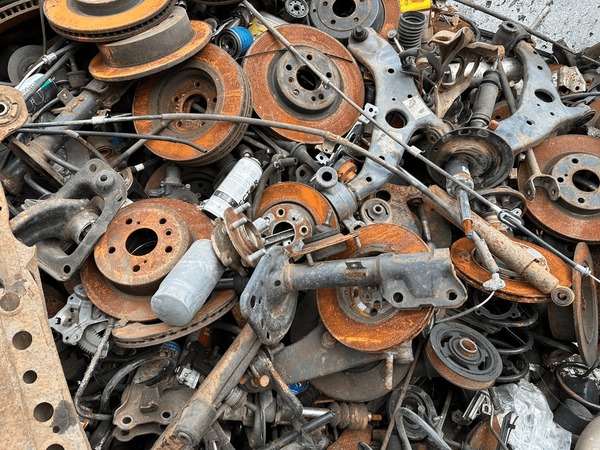
Even high-quality reclaimed auto parts can suffer from unseen wear or structural fatigue. Before finalizing a purchase—especially for critical components like engines, transmissions, or suspension systems—request detailed photos, inspection reports, or video demonstrations of the part in operation. Look for signs of corrosion, leaks, impact damage, or excessive wear on moving parts. Reputable suppliers often test and refurbish components before resale, offering warranties or return policies as a confidence boost.
Tip: For enthusiasts, consider visiting the supplier in person or using a third-party inspection service for high-value parts.
3. Confirm Compatibility and Fitment Standards
A reclaimed part may be genuine and in great condition, but if it doesn’t fit your vehicle or system correctly, it’s of little use. Always cross-reference the part number and specifications with your vehicle’s requirements. Pay attention to model year differences—even minor updates can affect compatibility. Many online marketplaces and suppliers now provide fitment tools, but double-check using your owner’s manual or a trusted parts catalog.
Tip: B2B fleets should maintain a parts compatibility database to streamline ordering and reduce downtime.
By focusing on origin, condition, and compatibility, you can confidently integrate reclaimed auto parts into your operations or restoration projects—saving money without sacrificing quality or safety.
Classic Industries, National Parts Depot, and Nordstrom’s Automotive are excellent choices for reclaimed auto parts due to their strong reputations for quality, extensive inventories of hard-to-find components, and specialization in classic and vintage vehicles. Each company offers reliable sourcing, expert knowledge, and customer service, making them trusted suppliers for authentic, restored, and original-equipment-spec parts—ideal for preserving the integrity and performance of classic automobiles.