
In today’s high-performance automotive market, demand for premium replacement and upgrade parts has never been stronger — especially among B2B buyers and discerning car enthusiasts who refuse to compromise on quality. Whether you’re restoring a classic Civic, tuning a high-revving Type R, or maintaining a fleet of reliable Honda sedans, the right components make all the difference. With authenticity, durability, and precision at the forefront, genuine and high-quality aftermarket Honda parts are in soaring demand across repair shops, performance garages, and enthusiast communities worldwide.
As Honda continues to build a legacy of engineering excellence, so too does the need for trusted parts that match the OEM standard — or exceed it. From suspension kits to engine internals, sourcing superior components isn’t just about fit and function; it’s about preserving the integrity of one of the most respected names in automotive history.
In this definitive guide, we’ve curated the Top 10 Honda Parts that set the benchmark for performance, reliability, and value — trusted by professionals and praised by purists. Whether you’re stocking inventory or upgrading your next project, these are the components dominating the market today.
Top 4 Manufacturers & Suppliers of Honda Parts. (2026 Review)
Ranked by inventory, reputation, and service quality.
Buyer’s Guide: How to Choose Honda Parts.
Buyer’s Guide: 3 Things to Check Before Buying Honda Parts
For B2B buyers and car enthusiasts alike, maintaining or upgrading a Honda means choosing the right parts—whether you’re restocking inventory or tuning a performance vehicle. With so many options for Honda parts on the market, from genuine OEM to high-quality aftermarket, it’s essential to make informed decisions. To help you avoid compatibility issues, ensure long-term reliability, and maximize value, here are three critical things to check before every purchase.
1. Confirm Part Compatibility with Your Honda Model and Year
Not all Honda parts are interchangeable, even within the same model line. A part that fits a 2018 Honda Civic may not work with a 2023 model due to design updates or trim variations. Always verify the part number and ensure it matches your vehicle’s make, model, year, engine type, and trim level.
- For B2B buyers, use OEM part lookup tools or supplier databases to cross-reference compatibility before bulk ordering.
- For enthusiasts, consider using your VIN when shopping online—many reputable sellers offer VIN-based part matching for precision.
Choosing the correct part from the start prevents costly returns, installation delays, and potential damage to your vehicle.
2. Choose Between OEM, Aftermarket, and Certified Recycled Parts
Understanding the differences between part types is crucial for balancing performance, cost, and authenticity.
- Genuine Honda OEM Parts are manufactured by Honda or its authorized partners and carry the same quality standards as factory-installed components. Ideal for maintaining warranty compliance and long-term reliability.
- High-Quality Aftermarket Parts from reputable brands (like Denso, Aisin, or Eibach) can offer cost savings, performance upgrades, or unique styling—with many meeting or exceeding OEM specifications.
- Avoid uncertified or unknown aftermarket parts that lack testing or durability data.
Tip: For critical components like sensors, suspension, or engine parts, OEM is often the safest choice. For aesthetic or performance modifications, reputable aftermarket brands provide excellent alternatives.
3. Verify Supplier Authenticity and Warranty Coverage
Where you source your Honda parts matters as much as the parts themselves. Counterfeit or refurbished parts sold as new are common in the automotive market—risking safety, performance, and compliance.
- Buy from authorized distributors, certified dealerships, or well-reviewed online retailers with clear return policies.
- Look for warranty information: Genuine Honda OEM parts often come with a 12-month warranty, while quality aftermarket brands offer their own coverage.
- Check for traceability—reputable suppliers provide documentation, part history, and batch numbers, especially important for B2B procurement and fleet maintenance.
Whether you’re outfitting a repair shop or restoring a classic Honda, buying from trusted sources ensures you receive durable, authentic parts that deliver peace of mind.
By checking compatibility, understanding part types, and validating your supplier, you can confidently invest in Honda parts that meet your standards for quality and performance—keeping your vehicles running like new or pushing them to the next level.
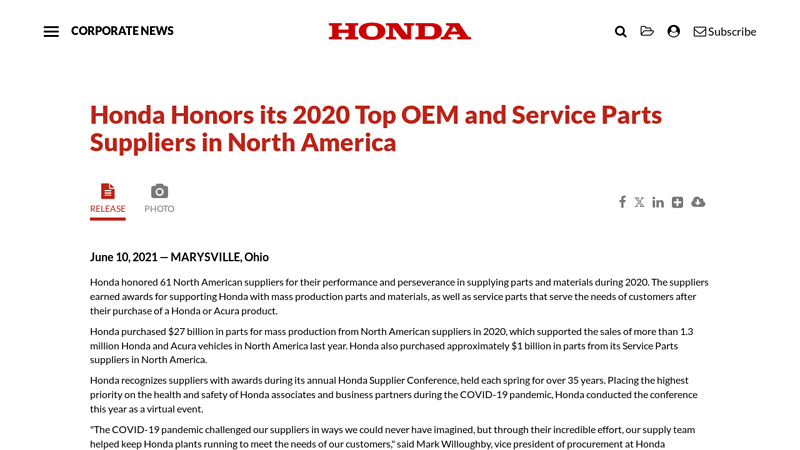
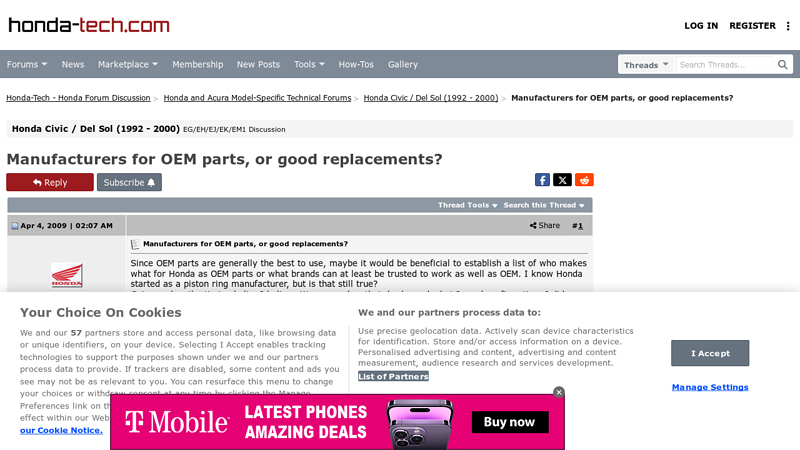
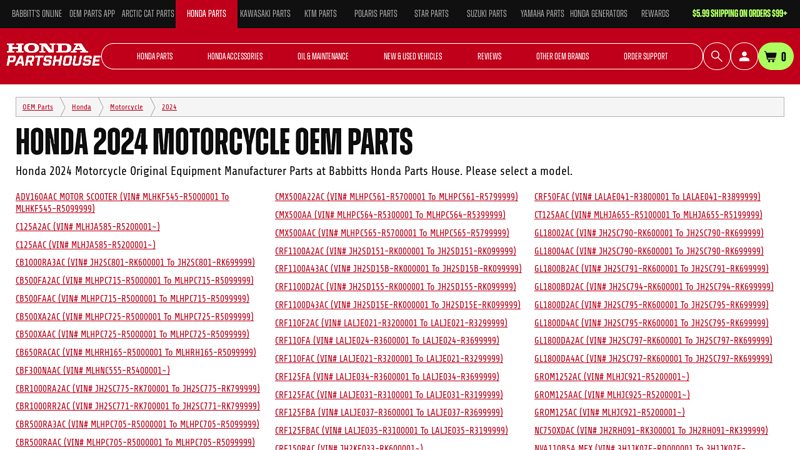
These four sources are excellent choices for Honda parts because they provide genuine OEM components directly from Honda or its trusted manufacturing partners, ensuring maximum compatibility, reliability, and quality. Honda Honors its Top Suppliers highlights the company’s commitment to excellence and strong supplier relationships, while the OEM parts listings and global manufacturing division confirm authentic production standards. Whether for maintenance, repair, or restoration, these options guarantee parts that meet Honda’s rigorous specifications, making them ideal for preserving vehicle performance and longevity.