
Intro:
As the global automotive landscape evolves, demand for precision, reliability, and value-driven performance parts continues to surge—especially for vehicles that blend cutting-edge engineering with sleek design. Korean car brands like Hyundai, Kia, and Genesis have firmly established themselves as leaders in innovation and affordability, making up a significant share of today’s driven miles. With over 13 million Hyundai and Kia vehicles on U.S. roads alone—and growing—there’s an unprecedented market demand for high-quality Korean car parts that match OEM standards or exceed them.
For B2B buyers supplying repair shops, dealerships, or performance retailers, and for discerning car enthusiasts seeking reliable upgrades, sourcing the right components is no longer just about compatibility—it’s about trust, longevity, and optimal performance. Whether you’re restoring a Tucson, tuning a Stinger GT, or outfitting a fleet service center, choosing top-tier aftermarket or OEM Korean car parts ensures vehicles stay road-ready, efficient, and true to their engineered potential.
In this Top 10 list, we’ve curated the most sought-after, high-performance, and hard-to-beat Korean car parts dominating the market—from suspension systems to performance ECUs—that deliver unmatched quality, availability, and value. Discover the components powering today’s most trusted Korean rides.
Top 5 Manufacturers & Suppliers of Korean Car Parts (2026 Review)
Ranked by inventory, reputation, and service quality.
Buyer’s Guide: How to Choose Korean Car Parts
Buyer’s Guide: 3 Things to Check Before Buying Korean Car Parts
Whether you’re a B2B buyer sourcing components for repair shops or a car enthusiast restoring or upgrading your Hyundai, Kia, Genesis, or any other Korean-made vehicle, choosing the right parts is crucial for performance, reliability, and value. With the rising global demand for Korean car parts, it’s essential to be informed before making a purchase. Here are three key factors to consider before buying Korean car parts—whether you’re looking for OEM (Original Equipment Manufacturer) or high-quality aftermarket options.
1. Verify Authenticity and OEM Compatibility
One of the most important steps when purchasing Korean car parts is confirming authenticity and compatibility. Genuine OEM parts are manufactured to the same specifications as the components originally installed in your vehicle, ensuring perfect fitment and performance. However, many counterfeit or low-quality replicas are marketed as OEM-equivalent.
To avoid costly mistakes:
– Check for official part numbers (e.g., Hyundai/Kia OEM numbers) and cross-reference them with your vehicle’s make, model, and year.
– Buy from authorized distributors or trusted suppliers with a proven track record in Korean automotive components.
– Look for certification labels or supplier documentation that validate the part’s origin.
For B2B buyers, maintaining traceability and quality assurance documentation is not only a sign of reliability—it can protect your business from liability and customer dissatisfaction.
2. Assess the Aftermarket Supplier’s Reputation and Technical Support
If you’re opting for aftermarket Korean car parts, which often offer competitive pricing and innovative upgrades, due diligence on the supplier is key. The Korean automotive aftermarket has evolved significantly, with many manufacturers producing parts that meet or exceed OEM standards—especially in performance, body kits, and suspension systems.
Before committing:
– Research the brand’s reputation. Brands like TUFREQ, Avante, or iE from Korea have earned recognition for quality engineering and design.
– Check customer reviews, case studies, or testimonials—especially from other professionals or B2B buyers.
– Ensure the supplier offers technical support, fitment guides, and warranty coverage. This is critical when servicing a wide range of vehicle models or fulfilling bulk orders.
Enthusiasts benefit from expert guidance when modifying vehicles, while B2B buyers rely on consistent support to maintain customer trust and minimize return rates.
3. Prioritize Quality Materials and Manufacturing Standards
Not all Korean car parts are created equal. Even within OEM or premium aftermarket categories, build quality can vary based on materials, manufacturing processes, and intended use. Whether you’re replacing a fender, upgrading calipers, or installing a turbocharger, material integrity directly impacts longevity and safety.
When evaluating a part:
– Look for details on materials used (e.g., cold-rolled steel, aerospace-grade aluminum, UV-resistant ABS plastic).
– Confirm that the part meets international quality standards such as ISO/TS 16949 or Korean KS certifications.
– For performance parts, check for compliance with testing protocols and thermal/mechanical durability.
B2B purchasers should request material data sheets or samples when onboarding new suppliers. Enthusiasts, especially those modifying vehicles for track or off-road use, should ensure components can handle increased stress without failure.
Final Thoughts
Korean car parts continue to gain global recognition for their precision, innovation, and value. By focusing on authenticity, supplier reputation, and material quality, both B2B buyers and car enthusiasts can make confident, informed decisions. Whether you’re maintaining fleet vehicles or enhancing your dream sedan, the right Korean car parts can deliver reliability, style, and outstanding performance—built to last.
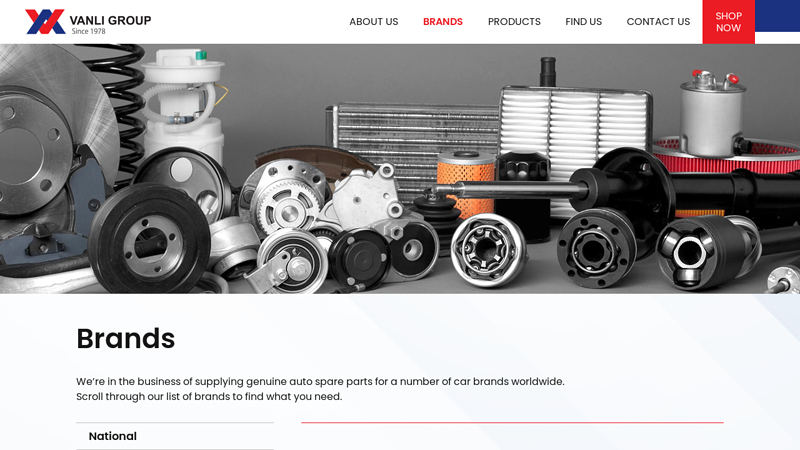
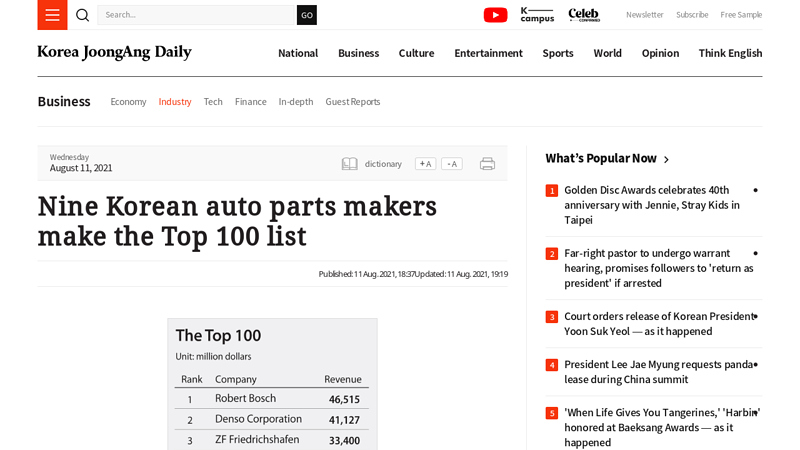
These five options are excellent choices for sourcing Korean car parts because they provide comprehensive access to reputable suppliers, major Korean automotive brands like Hyundai, Kia, and Samsung, and specialized manufacturers such as Mobis. Together, they offer up-to-date supplier listings, industry recognition of top auto parts makers, and insights into the Korean automotive sector, ensuring reliability, quality, and a wide range of components for various vehicle needs.